Tempe, Arizona, personifies the dynamic energy of a major college community, buzzing with passion, culture, and, let's be truthful, an extreme desert climate. The city is a world-class location for trainees chasing their scholastic desires at Arizona State University. Nevertheless, when the Sonoran Desert shows up the heat, keeping focus can seem like an uphill battle. The high temperatures, which regularly soar previous 110 levels Fahrenheit in the summer months and maintain points cozy well into the autumn, do not simply affect your outside strategies; they dramatically impact your indoor atmosphere and, critically, your capability to examine. Developing an efficient workspace that proactively counters the warm is not simply a deluxe; it ends up being a crucial element of scholastic success in this special, lovely, yet incredibly warm setting. Your individual study area requires to be a great, comfortable haven, a place where focus is the rule and heat-induced drowsiness is the exemption.
Crafting the Cool Thermal Environment
The air temperature of your research room is the absolute initial element you need to manage. Study shows that as indoor temperatures climb, cognitive performance begins to decline rapidly. In a desert atmosphere, counting only on older, less efficient central air conditioning can be a costly, in some cases insufficient, remedy. You require a targeted approach. Begin by analyzing your house's details susceptabilities. Does the late afternoon sun blast through a west-facing window? This induction heat is your enemy, warming up surface areas and making your AC work overtime. Simple, affordable repairs make a substantial distinction right here. As opposed to depending on slim drapes, purchase thick, blackout drapes or blinds that literally obstruct the sun's rays, quiting the heat before it enters.
An individual air conditioning system can offer a microclimate for your desk, soothing the strain on your major device and your budget. A premium, oscillating tower fan can flow air successfully, or think about a little, mobile overload cooler or evaporative cooler. These gadgets utilize the desert's completely dry air to their benefit, cooling down the air by adding moisture, which considerably reduces the temperature and feels unbelievably revitalizing. Setting your fan to either impact straight throughout your body for a wind-chill effect or aim it at a wall surface near the ceiling to keep the air in the area frequently relocating. Preserving a slightly cooler, rather than an entirely chilly, temperature level aids keep you alert and focused, preventing the sluggish sensation that includes a too-warm area.
Enhancing Your Space and Furniture for Focus
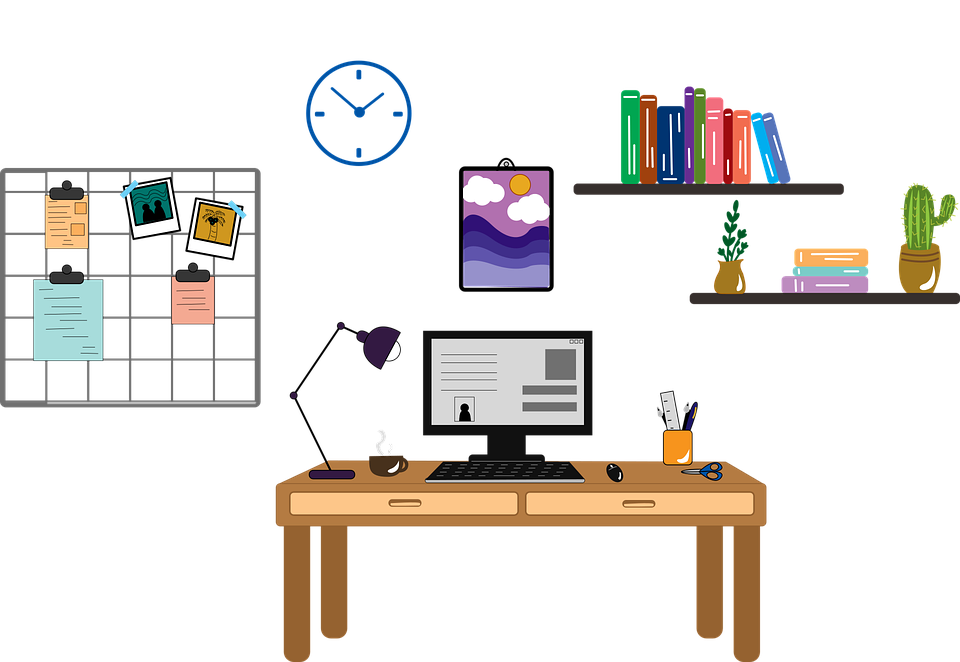
Once the temperature level is controlled, transform your interest to the physical setup of your office. Effectiveness and low-heat output define the ideal Tempe research station. Students staying in studio apartments in Tempe know the value of optimizing every square inch of space, and selecting the right furniture and innovation is crucial for both comfort and productivity. Select a desk and chair that promote ergonomic wellness. Your chair needs to offer back support, motivating an upright stance that supports alertness, while your desk must be big enough to hold all your research study products without feeling cluttered. Mess produces aesthetic stress, and a tidy area sustains a clean mind. Make use of upright storage space like shelving devices to maintain books and materials organized and off your primary job surface area.
Technology selections additionally impact your thermal environment. Laptops and displays create heat, and in a small apartment, this contribution is obvious. Keep your laptop computer on an aerated stand to avoid getting too hot, which can enhance its efficiency and minimize the heat it emits onto your desk. Similarly, opt for LED lights, which is energy-efficient and produces practically no heat contrasted to typical incandescent light bulbs. Tactically positioned job lighting, like a flexible desk light, routes bright, concentrated light exactly where you require it, decreasing eye pressure and helping to preserve focus during late-night research study sessions. The visual atmosphere you create contributes directly to your psychological environment, sustaining your capability to power via complex product.
Managing the Atmospheric and Visual Environment
Beyond the primary temperature level, other ecological elements play a concealed duty in your focus. The quality of the air in your home, called the atmospheric environment, can influence your mental clearness. In a closed-off, go right here cool space, air can wither, bring about feelings of drowsiness or fatigue. A simple air cleanser or opening a window throughout the cooler hours of the morning can introduce fresh air into your area. For homeowners in ASU student housing, where rooms are commonly sealed to keep the warm out, utilizing a small, high-grade air filter can help reduce dirt and allergens, guaranteeing you breathe easy and stay clear-headed while you function.
The aesthetic part is similarly important for keeping a positive, motivating mood. While hefty blackout drapes stay out the warmth, you still require to optimize the mental advantages of light when you research. Position your desk so you are not facing the home window straight, which avoids glow, yet still enables you to capture indirect natural light. During the day, utilize large roller tones underneath your power outage curtains. These tones filter severe light, transforming the extreme Arizona sunlight right into a soft, diffused radiance that brightens your space without adding heat. Integrating tiny, low-maintenance plants like succulents-- sturdy and belonging to the desert-- brings a touch of all-natural vitality right into your research study area, adding color and enhancing your sense of health without calling for continuous interest.
Methods for the Student Lifestyle in a Hot Climate
The successful management of a research space in Tempe ties directly into a self-displined trainee way of living. The warm pressures you to adapt your regular to the neighborhood climate. Students depending on off campus housing in ASU Tempe typically have much more versatility but needs to also take even more campaign in creating a helpful environment. Arranging your most demanding study tasks for the coolest parts of the day-- early morning or late evening-- is an efficient way to take advantage of the setting. Utilize the optimal mid-day heat hours for lighter jobs like evaluating flashcards, arranging notes, or taking necessary breaks.
Your personal convenience substantially influences your capacity to stay at your desk. Put on light, breathable clothing-- cotton is a pupil's buddy right here-- and constantly maintain a bottle of cold water close by. Dehydration is a silent opponent of concentration, and it takes place promptly in the dry heat. Think of your body as part of your research system: maintaining it cool and hydrated is as crucial as maintaining your laptop charged. When the intense heat becomes frustrating, keep in mind that several contemporary trainee real estate complexes and apartment or condos supply amazing community research study lounges or pool-side cabanas which are purpose-built to be comfortable and great. Transforming your setting momentarily can offer a fresh viewpoint and a great reset button for your emphasis.
The commitment you make to creating a cool, reliable, and motivating research study space will straight convert into higher productivity and less anxiety throughout your scholastic trip in Tempe. This carefully prepared individual resort becomes your haven, a place where you can confidently focus on your research studies, despite the scorching temperatures outside.
We hope these insights aid you transform your space into a performance giant. Inspect back routinely for more local suggestions and recommendations made for trainees browsing life in this vivid city.